
What’s Your Missional Integrity Score?
I’ve written before about organizational integrity, one of the four critical components we’ve identified in healthy organizations.
But let me offer a real-life example.
The Johnson & Johnson pharmaceutical company is a humongous corporation, with reported revenues of $89 billion in 2025. Their reputation has taken some serious—and deserved—hits over the last couple of decades, from consumer fraud settlements to ongoing lawsuits regarding the link between their baby powder and cancer.
But it wasn’t always like that.
Way back in 1943, Robert Wood Johnson II personally wrote the company’s mission statement as a “credo” to guide the organization both philosophically and behaviorally. But three and a half decades later, CEO James Burke challenged his top executives with a blunt question: “Do we still believe this?”
He reminded them, “If we’re not going to live by it, let’s tear it off the wall.”
The Johnson & Johnson credo prioritized responsibilities in a specific order. First was the responsibility to the doctors, nurses, patients, and parents who trusted the quality of their products. Second was the responsibility to their own employees, promising “competent management” and actions that were “just and ethical.”
Next, they listed their responsibility to the communities where they lived and worked, as well as the “world community.” They cited social responsibilities—such as “supporting good works and charities and bearing our fair share of taxes”—along with protecting the environment. Remember, this was written in 1943, long before “Corporate Social Responsibility” became a boardroom trend.
Last, they acknowledged their responsibility to their stockholders. Last, mind you.
What followed was a spirited discussion with Burke and his team about the role of morality and ethics in the marketplace. This resulted in a reenergized commitment to the credo as a “true north” for corporate decision-making.
That commitment was tested a mere three years later. In 1982, it was discovered that someone had laced Tylenol capsules with cyanide, resulting in the deaths of seven people in the Chicago metropolitan area. Johnson & Johnson immediately halted production, issued public warnings, and recalled over 30 million bottles from shelves—a loss of over a quarter-billion dollars in today’s money. Notably, this decision was made by management while Burke was on a plane, unaware of the emerging reports.
When your lieutenants can make a judgment call of that magnitude—one that affects the bottom line and shareholder earnings—it proves there is a built-in system of missional integrity functioning exactly as it should.
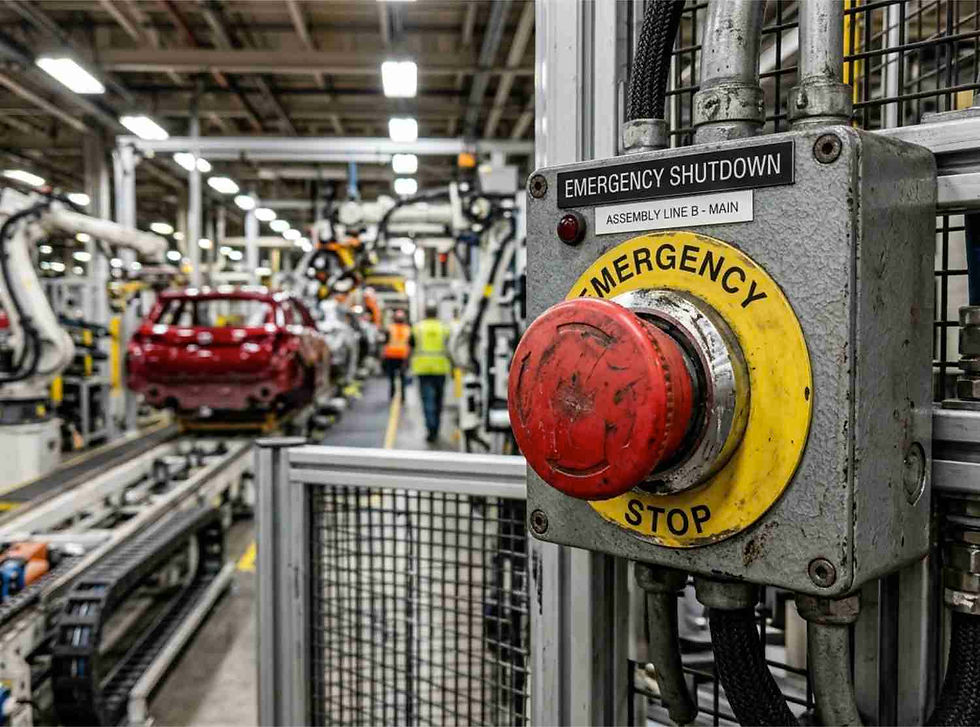
Is your church or nonprofit making decisions based on your mission and core values? More importantly, are leaders throughout your organization empowered to push the “red button” that stops the assembly line without fear of repercussion?
Dave Workman | The Elemental Group
Want to receive these weekly in your inbox? Subscribe for free here.



Comments